421
As K-Pop enters its 5th generation, the landscape of the industry has evolved dramatically.
While the global popularity of K-Pop was once unimaginable, its now a worldwide cultural force.
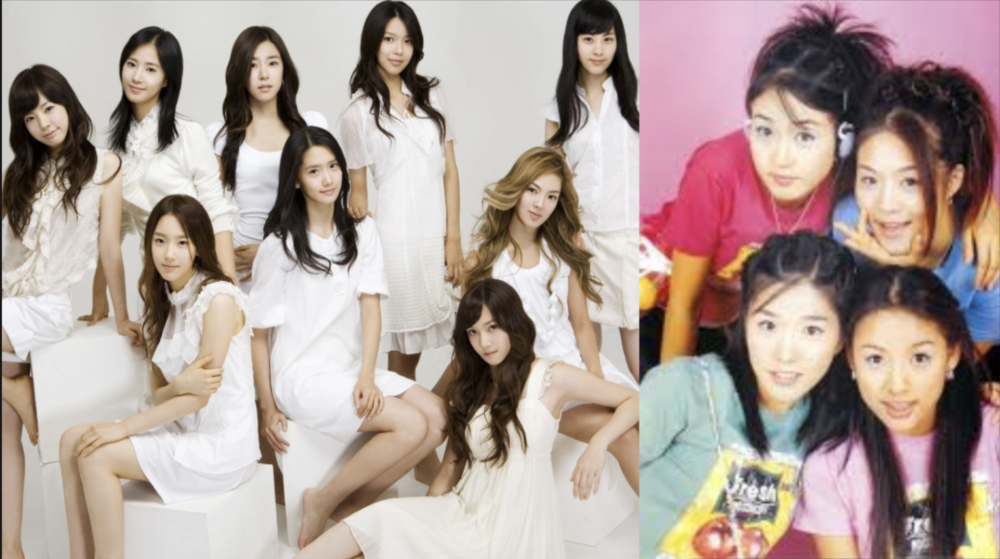
For example, legendary first-generation girl groups likeFin.K.LandS.E.Shad three to four members each.
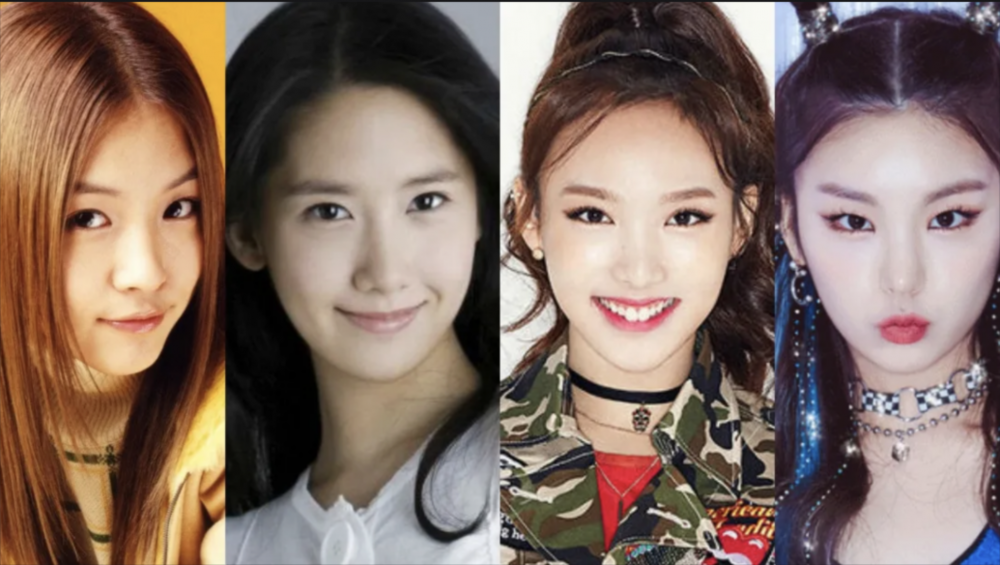
Solo artists were also more prominent; you had figures likeSe7en,BoA,andRaindominating the charts.
This visual unity was simple, yet meaningful.
By the late second and into the third generation, officiallightsticksbecame a must-have fandom accessory.
Streaming and Global Recognition
In the early days, domestic chart dominance was a key measure of success.
Achieving an all-kill on Korean music charts like Melon, Mnet, and Soribada was considered a huge accomplishment.
For fifth-generation idols, worldwide streaming performance is a vital metric.
The result is a genre that transcends language barriers more than ever before.
Makeup, Fashion, and Visuals
Visual concepts have always been integral to K-Pops identity.
Older fans fondly remember lines likeTWICEsOne in a million, hello we are TWICE!
These energetic greetings helped groups establish their character and identity right from the start of an interview or stage.
The shift may be due to changing audience preferences, quicker content consumption, and the internationalization of K-Pop.
With fans all over the globe, groups focus on universally relatable greetings that transcend language barriers.
This shift reflects how the industry prioritizes speed, global branding, and immediacy.
Other Notable Changes
Beyond these main shifts, there are other subtle changes worth mentioning.
Social media engagement, once minimal, is now a cornerstone of idol-fan interaction.
Additionally, album distribution and merchandising have expanded.