K-Pop fandoms are known for their loyalty and influence.
For example, the recent controversy involving Jessi highlighted this sense of solidarity.
Another example of collective action was seen during the Burning Sun scandal.
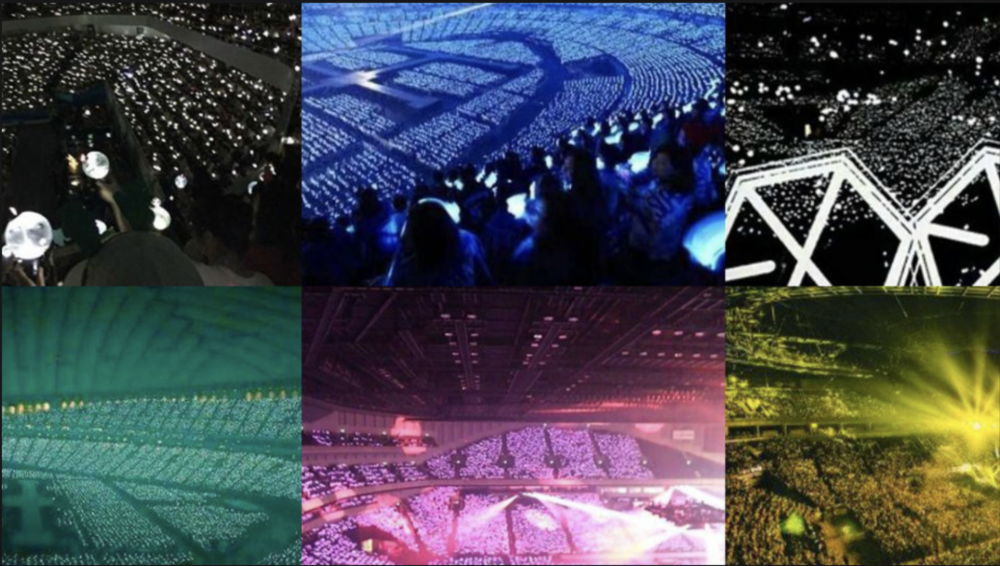
Fandoms across generations joined forces to advocate for victims and raise awareness about the trauma because of the scandal.
These instances showcase how fandoms can transcend rivalry and create meaningful change when standing together.
These wars dont just occur between fandoms but can also erupt within them.
Internal conflicts arise over differing opinions on a groups music, concepts, or promotions.
Fans may feel pressured to support every release unconditionally, but realistically, everyone has individual tastes.
Respecting these differences could foster healthier fandom dynamics and reduce unnecessary conflict.
Fans have harnessed their collective power for charitable causes, social justice movements, and disaster relief efforts.
This demonstrates the potential of fandom culture to make a positive impact on the world.
Any perceived misstep can quickly become a scandal, amplified by the very fans who support them.
The pressure to maintain a flawless image adds another layer of complexity to the idol-fan relationship.
But with that power comes responsibility, and the need for balance becomes ever more apparent.
This isnt just about streaming numbers or social media trends.
K-Pop fandoms hold the unique ability to amplify messages, mobilize movements, and even spark societal change.
In many ways, K-Pop fandom culture is a double-edged sword.